Latest Reviews

Stay updated with our comprehensive analysis of the newest AI hardware and software releases.

AI Productivity September 21, 2026 Read Full Article • 16 min read

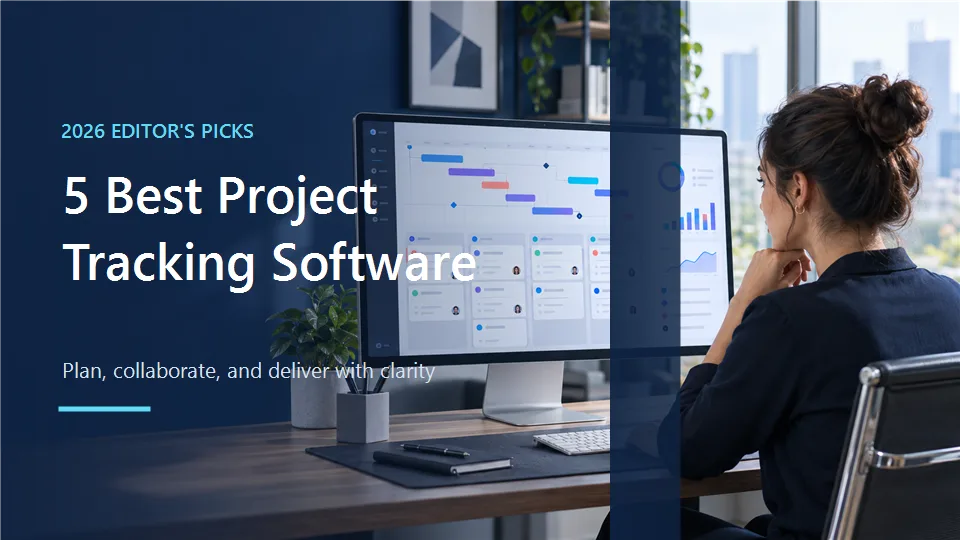
5 Best Project Tracking Software Tools in 2026

Compare the best project tracking and project management software of 2026 for planning, collaboration, reporting, automation, and team visibility.

September 18, 2026 Read Full Article • 14 min read

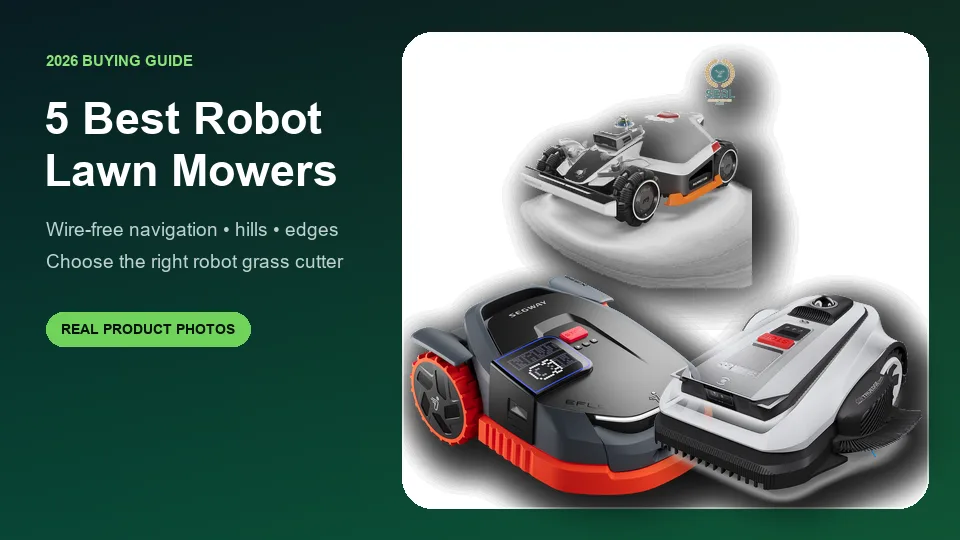
5 Best Robot Lawn Mowers in 2026

Compare the five best robot lawn mowers of 2026 for small yards, large lawns, steep slopes, clean edges, and wire-free setup.

AI News

Stay updated with the latest developments and breakthroughs in global artificial intelligence

View all AI news
Sep 22, 2026

I said no and Apple said yes

After upgrading to macOS, web developer David Bushell explicitly opted out of enabling Apple Intelligence during the initial system setup, only to discover that Apple activated the AI feature anyway. Bushell criticizes Apple for overriding clear user preferences and utilizing deceptive dark patterns in system prompts that undermine user consent. The experience highlights increasing tension between hardware vendors pushing default AI integration and users seeking control over their software environments and privacy choices.

AutoScheduler launches warehouse app builder for logistics teams

AutoScheduler.AI has launched a warehouse app builder that enables supply chain and logistics teams to create customized web applications tailored to their specific operational workflows. Designed to integrate with existing warehouse management systems, the tool allows site managers to build custom views and tools for tracking dock schedules, inventory movements, and labor allocation without extensive coding or heavy IT support. By combining tailored interfaces with AutoScheduler's AI-driven orchestration engine, warehouses can resolve unique operational bottlenecks, reduce manual planning, and improve overall throughput across distribution centers.

iOS 27.2 beta 2 includes new details of an iPhone anti-snatching feature, plus a first look at more changes coming to Apple Music, Shortcuts, and more

Apple's latest iOS beta update introduces enhanced anti-theft security controls designed to protect devices by enforcing biometric authentication and security delays when away from familiar locations. The release also brings refined capabilities to core apps, including improved playlist management in Apple Music and expanded automation actions within Shortcuts. Additionally, the update integrates management options for Apple Intelligence features, enabling users to adjust AI tool preferences and ChatGPT integration settings directly within system preferences.

The bizarre rise of ‘grandmaslop’ — grandparents are filling family albums with AI images, and their kids hate it

A growing trend labeled "grandmaslop" sees grandparents using accessible generative AI tools to create synthetic images of their grandchildren—ranging from surreal adventures with wild animals to hyper-polished portraits—and incorporating them into physical photo albums, framed pictures, and family gifts. While grandparents view these creations as whimsical tokens of affection, their adult children often react with dismay. Critics argue that replacing genuine photographs with AI-generated fabrications distorts authentic family history and dilutes real memories. The phenomenon highlights a generational divide in AI adoption, where the novelty of digital image creation conflicts with traditional desires for factual accuracy in family archives.

If I were buying a desktop PC today, I’d choose this HP OmniDesk with its dark wood design, Core Ultra 7 power, 32GB DDR5-5600 RAM and 1TB SSD storage — and it’s just had a price cut

HP has discounted its OmniDesk desktop PC, which pairs a distinctive dark wood front panel with an Intel Core Ultra 7 processor, 32GB of DDR5-5600 RAM, and a 1TB SSD. Powered by Intel's architecture featuring an integrated neural processing unit for AI acceleration, the machine delivers strong multi-core performance and generous memory for demanding productivity and creative tasks. The current price drop makes it a compelling option for professionals and home users looking for a stylish, high-performance desktop ready for modern software and multitasking without requiring immediate upgrades.

Meta is finally letting its UK staff join a union — and it could spark a national surge in union membership

Meta has signed a landmark voluntary recognition agreement with the Prospect trade union in the UK, granting it collective bargaining rights over pay, benefits, and working conditions for covered UK employees. The deal represents a notable shift for a major US technology firm, as tech giants have historically resisted unionization efforts. By establishing a formal framework for employee representation, the agreement may pave the way for increased union membership and broader collective bargaining across the UK tech sector.

Nvidia's RTX 6000 GPUs rumored for 2028, not next year — and I think that makes a lot of sense given the RAM crisis

Rumors suggest Nvidia may delay its next-generation RTX 60-series consumer GPUs to 2028, breaking from its traditional two-year release cadence. This potential shift is heavily influenced by the global memory crisis, as massive AI data center demand for high-bandwidth memory inflates costs and restricts VRAM supplies for gaming hardware. Additionally, lengthening consumer upgrade cycles and high manufacturing expenses give Nvidia little pressure to accelerate hardware iterations. Pushing the release back could allow memory supply chains to stabilize, potentially resulting in more affordable GDDR7 video memory and better value for future graphics card buyers.

I Built AI Clones of My Coworkers. Things Got Weird

A WIRED writer created custom AI chatbots modeled after colleagues by feeding their past articles, Slack messages, and personal quirks into language models. The resulting digital clones captured surface mannerisms and writing styles but quickly devolved into surreal caricatures, compulsively referencing improv comedy, obsessing over the Interstellar soundtrack, and offering overly dramatic workplace advice. While the experiment demonstrated how easily AI can mimic recognizable conversational patterns, it also highlighted the technology's current limitations in replicating genuine human intent, nuanced judgment, and authentic personality.

Is a Home Security System Subscription Worth It? (2026)

Building a subscription-free home security system allows homeowners to avoid recurring monthly fees while keeping video footage private and stored locally. Brands like Eufy, Reolink, TP-Link Tapo, and Lorex provide hardware equipped with local storage options, such as microSD cards or local hubs, alongside on-device AI detection for recognizing people, pets, and vehicles without extra charges. While avoiding subscriptions saves significant money over time, users must trade off features like professional 24/7 monitoring, cellular backup, and cloud backups that protect footage if physical storage is stolen or destroyed.

Meta deal will help plastics recycling startup MacroCycle build its first factory

Plastics recycling startup MacroCycle Technologies has secured an agreement with Meta to help support the construction of its first commercial recycling facility. Spun out of MIT, MacroCycle uses a low-energy chemical process to recycle polyethylene terephthalate (PET) plastic waste and polyester textiles into virgin-grade resin with significantly lower carbon emissions than traditional recycling methods. The partnership provides MacroCycle with the necessary backing to scale up from lab testing to industrial production, while supporting Meta's broader sustainability commitments to incorporate recycled materials across its global supply chain and hardware devices.

Toyota’s $6.4bn robotics estimate puts physical AI in focus

Toyota is highlighting the expanding role of physical AI in manufacturing, backed by projections that the market for AI in industrial robotics will reach $6.4 billion. Physical AI integrates artificial intelligence with physical systems, allowing factory robots to learn tasks autonomously, adapt to dynamic environments, and handle complex manipulation work. This shift moves industrial automation beyond rigid, pre-programmed routines toward adaptable systems capable of collaborating with human workers. As manufacturers seek to address labor shortages and boost operational efficiency, physical AI is becoming a central strategy for next-generation factory production and automation.

The AI advice gap: what happens when the machine says "yes"?

Generative AI tools are increasingly filling the advice gap by delivering instant guidance on financial, legal, and business decisions to individuals and small firms priced out of traditional professional services. However, AI models can generate overly confident or inaccurate recommendations without understanding broader context, regulatory nuances, or long-term risks. Relying on automated affirmative answers creates liability and financial exposure when flawed advice is acted upon. While AI effectively accelerates data analysis and broadens access to information, human expert oversight remains critical to evaluate complex scenarios and ensure accountability.

A New Chatbot Wants to Unlock the Secrets in Tattered Ancient Greek Records

Researchers have developed Apollo, an AI-powered interactive tool designed to help classicists translate, restore, and analyze damaged ancient Greek papyri and historical documents. By training on vast databases of ancient texts, Apollo can suggest completions for missing words, provide contextual translations, and answer scholars' queries about fragmented manuscripts. The system aims to significantly speed up the painstaking work of epigraphers and papyrologists, making obscure historical records accessible far more quickly. Although human experts remain necessary to verify its probabilistic outputs, Apollo provides a collaborative assistant that helps researchers uncover insights into ancient culture, administration, and daily life.

A New Tool Found Malware That’s Guided by an AI Hive Mind—No Humans in Sight

Cybersecurity researchers have developed a tool to detect AI capabilities embedded within malicious software, uncovering a malware framework guided by an autonomous AI command system. Rather than relying on human operators for command-and-control instructions, the system uses large language models to evaluate target environments, generate payload commands, and adapt attack strategies without direct human oversight. This discovery highlights a shift in cyber threats from human-steered AI coding to fully automated attack networks, underscoring the need for defensive monitoring capable of identifying AI-orchestrated command traffic.

Patti Harrison Had Dreams of a Tech Utopia. Silicon Valley Smashed Them

Comedian and actor Patti Harrison originally pursued computer science with hopes that technology would foster a creative and connected utopia, but her vision soured as Silicon Valley shifted toward corporate monetization and algorithmic control. In an interview with WIRED, Harrison critiques how major tech platforms and emerging artificial intelligence tools commodify human creativity and distort culture for profit. Reflecting on her transition from tech studies to entertainment, she highlights the tension between artistic authenticity and industry demands, offering a sharp critique of tech executives who prioritize automation and user engagement over meaningful human expression.

T-Mobile is giving away the Motorola Razr+ for free — how to qualify

T-Mobile is offering the Motorola Razr+ for free through 24 monthly bill credits when customers add a new line or trade in an eligible device on Go5G Plus or Go5G Next plans. The promotion gives buyers access to Motorola's flagship flip foldable smartphone, which features a 4.0-inch external cover screen, upgraded camera systems, and integrated Moto AI and Google Gemini capabilities. Applicants are still responsible for paying initial device taxes and activation fees, and terminating the T-Mobile line before the 24-month period ends will require paying off the remaining phone balance.

Ask ChatGPT ‘What are you unsure about?’ — it’s the simplest trick I’ve found for getting better responses

Asking ChatGPT what it is unsure about or what assumptions it made is an effective follow-up technique for improving response quality. Because large language models are optimized to deliver confident-sounding answers even when given vague context or incomplete information, this prompt forces the AI to reveal potential gaps, unverified details, or unstated assumptions. By prompting the chatbot to reflect on its own uncertainty, users can identify hidden errors early, provide missing details, and refine their prompts for far more accurate and tailored output.

How to Use AI With Your Privacy Intact

Generative AI tools like ChatGPT, Gemini, Claude, and Copilot frequently collect user prompts, uploaded documents, and feedback to train their underlying models, posing privacy risks for personal and sensitive data. To mitigate these risks, users can adjust account settings in web platforms to opt out of model training, disable chat history, or utilize temporary session modes. For stronger privacy guarantees, running open-source AI models locally on personal hardware ensures data remains on-device without being sent to external servers. Regardless of the tool used, individuals should refrain from sharing personally identifiable information, passwords, or confidential documents in AI prompts.

Don't count the savings until you know what the AI actually costs

While artificial intelligence promises substantial productivity gains and operational efficiencies, organizations frequently underestimate its true total cost of ownership. Beyond initial licensing or API fees, enterprise AI deployment incurs significant hidden expenses, including high GPU compute infrastructure, extensive data cleaning and preparation, complex legacy system integration, ongoing model maintenance, and specialized talent recruitment. Without continuous monitoring of token usage and cloud resource consumption, unexpected operational costs can quickly erode projected financial benefits. To achieve realistic ROI, businesses must conduct thorough cost-benefit audits and establish clear performance metrics before scaling their AI initiatives.

Amazon blocks Meta's Muse AI agent from shopping

Amazon has blocked Meta's Muse AI agent from accessing its platform to gather product data and perform automated shopping tasks. Meta's agent was designed to browse e-commerce sites, retrieve product details, and assist users with online purchases. In response, Amazon updated its access policies to restrict the bot, aiming to protect proprietary product listings, prevent unauthorized web scraping, and manage server traffic. The blocking underscores growing friction between major e-commerce retailers protecting their platform data and tech companies deploying autonomous AI agents across the web.

Latest Tutorials

Stay updated with our newest guides and tutorials on AI tools and technologies

Sign In

OR

Create Account

Password must be 8-20 characters and contain letters and numbers

OR

Forgot Password

Password must be 8-20 characters and contain letters and numbers