Top 6 Vendors for Zero-Day Protection in End-of-Life Open Source
Compare six vendors that help protect end-of-life open source software, from extended maintenance and backported patches to proactive zero-day research.


End-of-life (EOL) open source software creates a security gap that ordinary vulnerability-management tools cannot fully close. Once maintainers stop shipping updates, organizations must either migrate or find a dependable way to keep the software they still need protected. That gap becomes more urgent when a previously unknown vulnerability appears and no upstream patch exists.
For enterprises running legacy frameworks, container images, operating systems, and open source libraries, an immediate upgrade is not always practical. The vendors below address that reality through extended maintenance, backported fixes, hardened components, and—where offered—proactive vulnerability research.
What Does Zero-Day Protection Mean for End-of-Life Open Source?
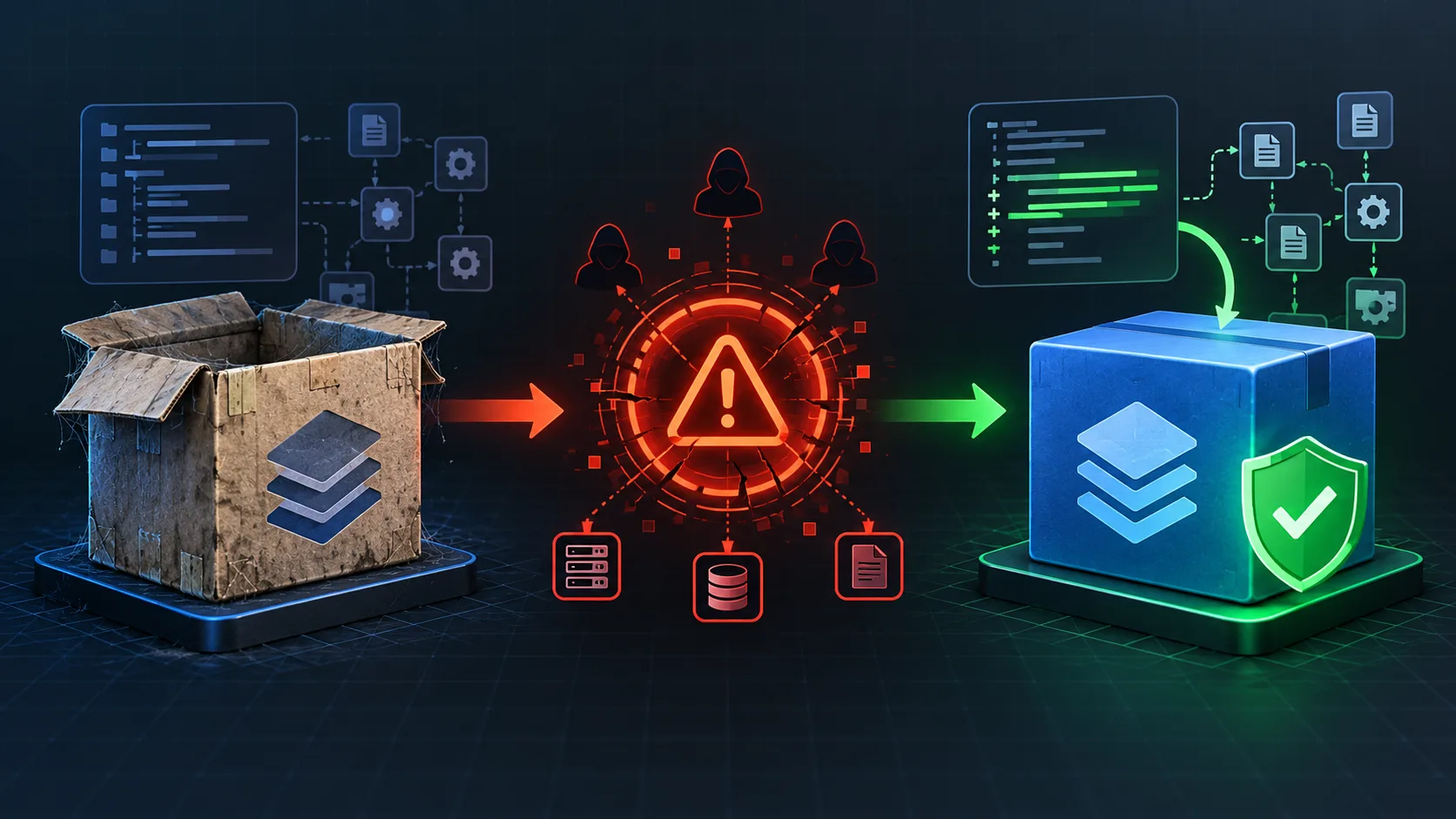
Zero-day protection refers to security measures designed to identify, mitigate, or remediate vulnerabilities before effective fixes are widely available. A zero-day vulnerability is a security flaw that defenders have had no opportunity to patch before it becomes a potential threat.
For actively maintained open source projects, security researchers and developers may investigate newly discovered flaws and release fixes through established update channels. When software reaches end of life, those maintenance processes may no longer exist for older versions.
This creates three distinct security requirements:
Extended vulnerability remediation: Maintaining security patches for software versions no longer supported by their original developers.
Proactive vulnerability discovery: Identifying previously unknown flaws through security research, code analysis, fuzzing, or AI-assisted techniques.
Secure software distribution: Delivering tested, patched components that organizations can deploy without unnecessarily changing application behavior.
These capabilities address different parts of the problem. An extended support provider may patch known CVEs without independently discovering unknown vulnerabilities, while a proactive security platform may identify and remediate flaws before public disclosure.
For organizations managing unsupported dependencies, the distinction determines whether a solution primarily addresses existing vulnerabilities or also investigates threats that conventional scanners have not identified.
Top 6 Vendors for Zero-Day Protection in End-of-Life Open Source
1. Echo
Echo provides continuously hardened open source software components designed to reduce vulnerability exposure across containers, libraries, operating system packages, virtual machines, and other software supply chain layers. Its platform combines automated remediation of known vulnerabilities with proactive research into previously undisclosed security flaws, including those affecting end-of-life software.
Through Echo Frontier, the company uses frontier AI models to discover potential vulnerabilities in open source code before they receive public CVE identifiers. Findings are validated, patches are developed and tested, and corrected software can be delivered to customers before public disclosure through coordinated vulnerability reporting.
This approach addresses a limitation of conventional vulnerability management: scanners generally identify published vulnerabilities, but they cannot reliably detect flaws that have not yet been documented. Echo extends protection into the period between vulnerability discovery and public availability of a fix.
Echo has demonstrated this process with an OpenEXR vulnerability discovered by its security researchers. The company reported reproducing the issue, developing and testing a patch, and delivering the fix to customers approximately two months before the upstream correction became available.
Key capabilities include:
- Echo Frontier: Uses frontier AI cybersecurity models to investigate previously unknown vulnerabilities in open source software.
- Pre-disclosure patching: Validates security findings and delivers tested fixes before public disclosure when coordinated timelines allow.
- EOL protection: Maintains supported older software versions without requiring immediate migrations to newer releases.
- Hardened software components: Provides continuously maintained containers, libraries, OS packages, and virtual machines.
- Automated CVE remediation: Offers a seven-day remediation commitment for critical and high-severity CVEs, with initial triage within 24 hours.
- Compatibility-preserving fixes: Backports security updates to software versions already used in production.
- Supply chain security: Provides signed artifacts, SBOMs, provenance, and vulnerability documentation, with delivery through existing repositories such as JFrog and Nexus.
2. HeroDevs
HeroDevs specializes in security maintenance for end-of-life open source frameworks and libraries through its Never-Ending Support (NES) offerings. The company provides maintained versions of unsupported software, allowing enterprises to continue operating established applications while receiving vulnerability fixes after official community support ends.
Its services focus primarily on application frameworks and runtime dependencies, including technologies such as AngularJS, React, Node.js, and selected Java and JavaScript ecosystem components. For organizations with older applications, this approach reduces the need to perform major framework migrations solely because a version has reached end of life.
A distinguishing feature is HeroDevs' use of compatible replacement packages. Supported NES packages can often replace existing dependencies without requiring substantial changes to application code. This is particularly relevant for enterprises running applications with tightly coupled frameworks, custom integrations, or complex migration requirements.
HeroDevs provides security fixes for covered legacy versions, including vulnerabilities discovered after upstream support has ended. Its offerings are primarily associated with extended maintenance and vulnerability remediation rather than a broad platform for proactive zero-day discovery across multiple infrastructure layers.
Key capabilities include:
- Never-Ending Support: Extends vulnerability remediation for supported EOL frameworks and libraries.
- Drop-in replacements: Provides compatible maintained packages for selected unsupported software versions.
- Security backporting: Applies vulnerability fixes without requiring major framework upgrades.
- Framework coverage: Includes supported versions of AngularJS, React, Node.js, Spring-related technologies, and other application dependencies.
- Dependency analysis: Helps organizations identify unsupported software and relevant security exposure.
- Security documentation: Provides patch information and vulnerability details for supported packages.
3. TuxCare
TuxCare provides extended security maintenance for Linux distributions and open source infrastructure components. Its Endless Lifecycle Support (ELS) service delivers patches for supported software versions after upstream maintenance ends, helping enterprises protect legacy environments without immediately replacing their operating systems.
The company focuses on infrastructure software that often remains in production for extended periods, including Linux distributions, system libraries, and essential server components. This makes TuxCare relevant for organizations maintaining applications dependent on older Linux environments or packages that cannot be upgraded independently.
TuxCare also offers KernelCare, a live patching technology that enables supported Linux kernel security updates without conventional system restarts. This capability helps organizations reduce downtime associated with selected security maintenance activities.
Its extended support services provide security backports for covered vulnerabilities, including issues affecting older packages that no longer receive community updates. TuxCare's approach therefore addresses the operational difficulty of maintaining unsupported infrastructure rather than focusing primarily on discovering undisclosed zero-day vulnerabilities.
Key capabilities include:
- Endless Lifecycle Support: Provides continued security maintenance for selected Linux distributions and open source components.
- Legacy Linux coverage: Supports qualifying versions of CentOS, RHEL-compatible distributions, Debian, Ubuntu, and other environments.
- Security backporting: Delivers patches for older versions while maintaining software compatibility.
- KernelCare: Enables live patching for supported Linux kernel vulnerabilities.
- Infrastructure package maintenance: Covers selected packages such as OpenSSL, PHP, Apache, glibc, and other supported components.
- Existing package workflows: Distributes updates through familiar repository and package management mechanisms.
4. Perforce OpenLogic
OpenLogic by Perforce provides enterprise support and long-term maintenance services for organizations running open source software. Its offerings include technical assistance, security maintenance, and support for selected technologies that have reached end of life.
Unlike vendors specializing in a single framework or operating system, OpenLogic supports a broad range of open source technologies. Its services span application frameworks, databases, middleware, infrastructure tools, and development components, although long-term patching entitlements vary by product and version.
This broader coverage is relevant for enterprises maintaining software environments with many interdependent open source technologies. Organizations may have unsupported Java frameworks, older databases, and middleware components that require different maintenance approaches. OpenLogic provides technical expertise and support arrangements intended to address these requirements.
The company also assists with modernization and migration planning, allowing organizations to evaluate whether continued maintenance or upgrading is the appropriate approach for individual components.
OpenLogic's strength lies in enterprise open source maintenance, technical troubleshooting, and supported security remediation. Organizations requiring proactive research into previously unknown vulnerabilities should confirm whether those services are included for their specific technologies.
Key capabilities include:
- Enterprise open source support: Provides technical expertise across a broad portfolio of open source projects.
- Extended lifecycle maintenance: Offers continued support for selected unsupported software versions.
- Security remediation: Provides vulnerability fixes for qualifying technologies and support agreements.
- Legacy software troubleshooting: Assists organizations with difficult-to-maintain dependencies and application environments.
- Migration services: Supports upgrades and transitions to maintained software versions.
- Technical advisory services: Helps enterprises manage operational and maintenance requirements across open source environments.
5. Docker Hardened Images
Docker Hardened Images (DHI) provides security-focused container images designed to minimize known vulnerabilities and strengthen software supply chain integrity. The images use reduced package footprints, controlled builds, and security-oriented configurations to limit unnecessary components.
Docker also offers Extended Lifecycle Support (ELS) for eligible hardened images through its Enterprise offering. This service extends security maintenance for supported software versions beyond their upstream end-of-life dates, allowing organizations to retain required runtimes and application dependencies while continuing to receive vulnerability fixes.
Its ELS service provides up to five additional years of security updates for qualifying images. During this period, Docker maintains security patches, SBOMs, provenance information, and image signatures, supporting teams that need consistent evidence of software contents and update history.
Docker's approach is particularly relevant for organizations that already use container-based deployment workflows. Hardened images can replace conventional base images without requiring teams to rebuild their entire development infrastructure.
The service concentrates on vulnerability remediation and secure container distribution. Although it reduces exposure to known threats, its standard lifecycle support model should be distinguished from independent discovery and pre-disclosure remediation of previously unknown zero-days.
Key capabilities include:
- Hardened container images: Provides minimal images with reduced package footprints and security-focused defaults.
- Extended Lifecycle Support: Offers up to five additional years of security maintenance for eligible EOL images.
- Continuous CVE remediation: Rebuilds and updates supported images as security fixes become available.
- Software supply chain evidence: Includes signed SBOMs, provenance, vulnerability documentation, and cryptographic signatures.
- Compatibility with existing workflows: Supports established Docker and container deployment processes.
- Compliance-oriented variants: Offers FIPS-enabled and STIG-ready configurations through applicable offerings.
6. Canonical Ubuntu Pro
Canonical Ubuntu Pro provides extended security maintenance for Ubuntu operating systems and supported open source packages. Through Expanded Security Maintenance (ESM), organizations can continue receiving security updates after the standard Ubuntu Long Term Support (LTS) maintenance period.
The service covers eligible packages from Ubuntu's Main and Universe repositories and supports organizations operating infrastructure that cannot be upgraded on the normal release schedule. With the Legacy add-on, qualifying Ubuntu LTS releases can receive security maintenance for a total lifecycle of up to 15 years.
Canonical's security team monitors published vulnerabilities, evaluates their impact on maintained Ubuntu releases, and backports appropriate fixes. This enables organizations to address covered security issues while retaining software versions required by production applications.
Ubuntu Pro also includes Kernel Livepatch, which provides rebootless installation of selected Linux kernel security fixes. Its compliance and hardening capabilities support organizations managing systems subject to established security requirements.
Canonical's offering is most directly applicable to Ubuntu-based environments. Although it extends protection against known and newly disclosed vulnerabilities, it does not provide universal maintenance for every unsupported third-party package or promise discovery of all previously unknown zero-day flaws.
Key capabilities include:
- Expanded Security Maintenance: Extends security patching for qualifying Ubuntu LTS packages.
- Legacy support: Provides a total maintenance lifecycle of up to 15 years for eligible Ubuntu releases.
- Security backports: Applies vulnerability fixes to supported older software versions.
- Kernel Livepatch: Enables selected critical kernel updates without immediate reboots.
- Application package maintenance: Covers eligible open source packages in Ubuntu repositories.
- Compliance and hardening: Provides capabilities supporting FIPS, CIS, STIG, and other security requirements.
Comparison of Zero-Day Protection and EOL Open Source Vendors
Not all vendors offering end-of-life security maintenance provide the same level of protection against previously unknown vulnerabilities. The primary differences involve the software layers supported, whether the vendor independently researches new vulnerabilities, and how security fixes reach production systems.
The key distinction is between vendors that extend maintenance for unsupported software and those that also proactively search for previously unknown vulnerabilities. Extended support closes the patching gap after upstream maintenance ends, while proactive discovery can reduce exposure before a vulnerability becomes publicly documented.
| Vendor | Primary coverage | Zero-day and vulnerability approach | EOL support |
|---|---|---|---|
| Echo | Containers, libraries, OS packages, VMs | Proactive AI-assisted zero-day discovery and pre-disclosure patching | Maintained and hardened legacy software artifacts |
| HeroDevs | Application frameworks and libraries | Vulnerability research, fixes, and security backports for supported frameworks | Never-Ending Support |
| TuxCare | Linux distributions and infrastructure packages | Security remediation and live patching for selected components | Endless Lifecycle Support |
| Perforce OpenLogic | Enterprise open source software | Security maintenance and technical support | Product-specific long-term support |
| Docker Hardened Images | Container images and underlying packages | Continuous CVE remediation and hardened builds | Extended Lifecycle Support for eligible images |
| Canonical Ubuntu Pro | Ubuntu operating systems and packages | Security monitoring, backporting, and kernel live patching | ESM and Legacy support |
When Should Enterprises Extend Support Instead of Upgrading?
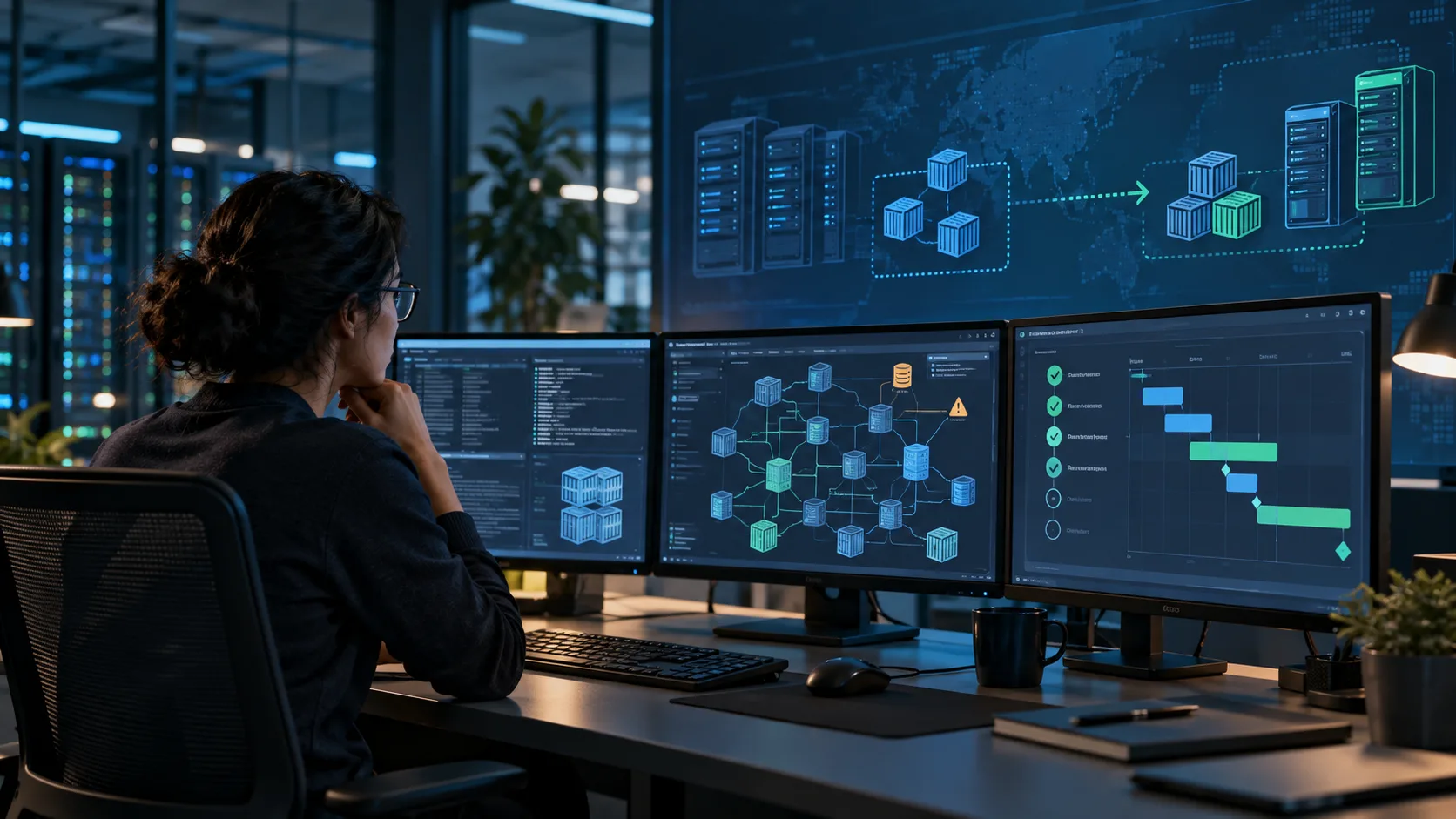
Replacing unsupported software is often the preferred long-term strategy, but major upgrades can introduce operational risk. Organizations should determine whether extended maintenance offers a reasonable way to preserve security while preparing a controlled migration.
Extended support is particularly relevant when:
- Applications depend on discontinued interfaces: Upgrading would require substantial code changes or replacement of tightly integrated dependencies.
- Systems have strict availability requirements: Maintenance windows are limited and major platform upgrades create operational risk.
- Infrastructure requires recertification: Software changes may trigger additional validation in regulated or hardware-dependent environments.
- Multiple applications share legacy dependencies: Replacing one component requires coordinated changes across several systems.
- Migration projects are already planned: Continued maintenance can reduce exposure during the transition period.
Extended security support should be treated as a defined risk management strategy rather than permanent justification for retaining obsolete software.
Organizations should periodically reassess vendor coverage, outstanding vulnerabilities, operational dependencies, and available migration options.
Latest Reviews
GPU Unlock Review: NVIDIA Tensor Gains, Tools and Real Limits

5 Best AI Wallpaper Generators in 2026

Best 5 AI Meme Generators in 2026
Canva Craft Review: 2K Images, Wide Formats, Text and Editing Limits
HunyuanVideo 1.5 Review: Quality, VRAM, ComfyUI, Pricing and Limits
Generate Stained-Glass Designs from Written Ideas